Speaking · Nayli Russo
Knowing yourself is not enough.The room sets the price of using what you know.
My talks help leadership audiences examine what they bring, what the conditions ask of them, and what their next choice requires. The work is reading the situation and exercising judgment about what comes next.
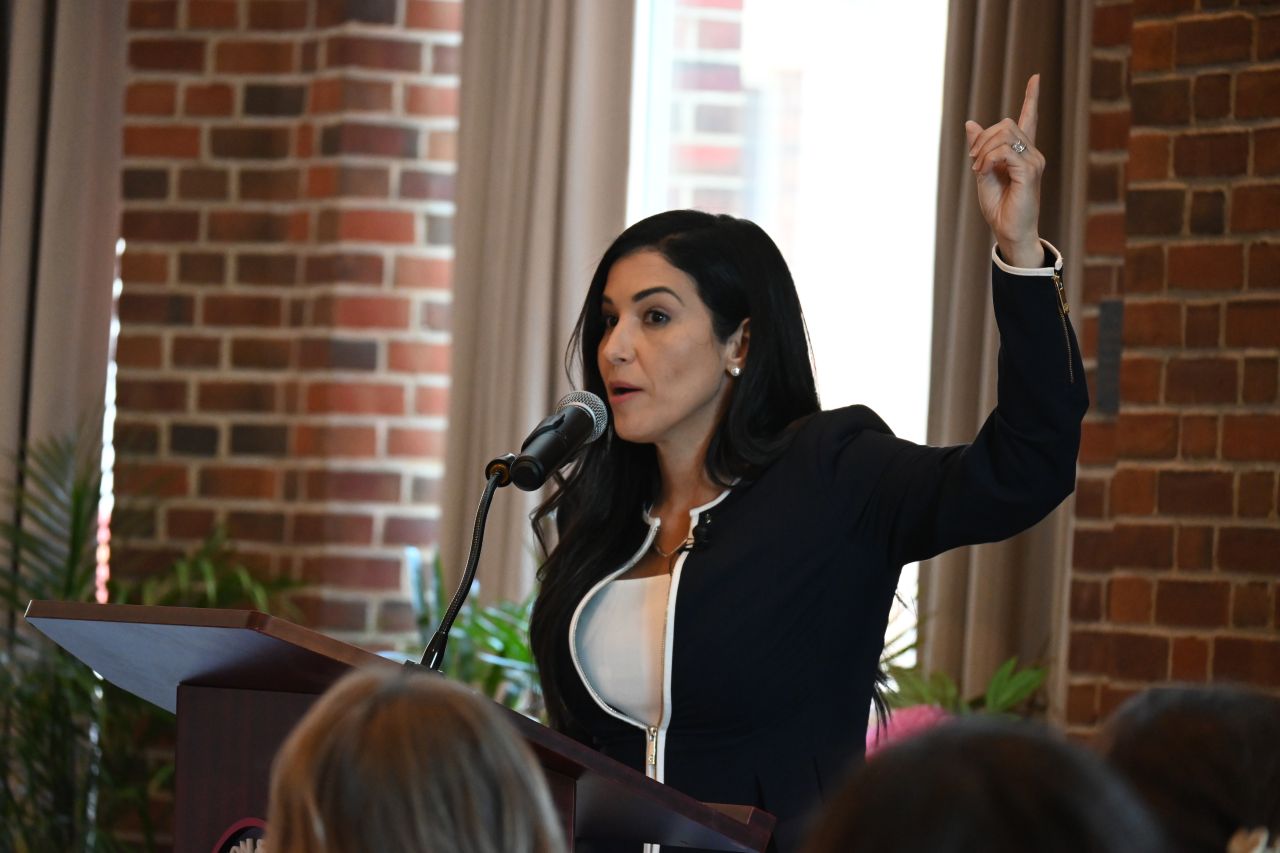
You were never the only variable in the room.
Find the talk for your audience
What is your room navigating?
The Room Is Real
When development alone does not explain what happens back at work.
Explore the flagship talkThe Room You Create
When your decisions shape what other people can say, choose, and do.
Explore the executive talkThe Room Changed. Now What?
When a familiar response meets a role, relationship, or set of expectations that has changed.
Explore the transition talk01 · The flagship
The Room Is Real
Is this a capability problem or a conditions problem?
For leadership audiences, people and culture gatherings, conferences, and summits.
A leader may understand the feedback, know the skill, and still struggle to use it in a particular room. Before assigning the whole problem to the person, what else needs to be examined?
This talk looks at capability, expectations, support, and consequences together. A difficult room and a mistake that belongs to you can both be true.
Questions audiences work with
- What belongs to me, what belongs to others, and what belongs to the conditions?
- What am I observing, and what am I assuming?
- What would need to change for a different response to become possible?
A question to take back
What is this room charging me, and who can change that price?
02 · For people with power
The Room You Create
What is your leadership teaching people to expect?
For CEOs, founders, executive teams, and leaders responsible for the conditions others work within.
You asked for honesty. What happened to the honest person?
Power turns preference into signal. People learn from what follows a question, a disagreement, or a mistake. This talk examines how a leader’s choices shape other people’s latitude, decisions, and work.
Questions audiences work with
- What do my responses reward, discourage, or make costly?
- Where does progress depend on reading my preferences rather than understanding the work?
- What here should not depend on me?
A question to take back
What does it cost to disagree with you here, and which part of that price can you change?
03 · For leaders in transition
The Room Changed. Now What?
What changed in me, my voice, or the room?
For leaders navigating a new role, changed scope, different relationships, or unfamiliar expectations.
A response built for the last room can arrive before you have read this one. Experience may reveal a real risk. It may also make a new situation feel settled before you understand it.
This talk asks leaders to examine current evidence, reconsider familiar responses, and weigh the options actually available to them. Some options need to be built before they can be chosen.
Questions audiences work with
- What has changed, and what evidence do I have about this situation?
- What might I be carrying from another room?
- What response fits my responsibilities, options, and the consequences for others?
A question to take back
What changed, and what am I still doing as though it did not?
The experience behind the questions
I have worked inside the conditions I now ask people to examine.
My experience spans clinical healthcare, enterprise strategy, and executive leadership with the Pittsburgh Pirates, where I served as Vice President of People and Strategy. Today, I lead Russo Leadership.
My speaking draws on that experience, my practice, and qualitative interviews with other leaders. Their accounts help me examine the relationship between the person and the room. They do not establish a universal answer.
Planning your event
Start with what your audience is facing.
You do not need to choose a talk before getting in touch. Tell me who will be in the room, what they are navigating, and what you want the conversation to make possible.
We can discuss which talk fits, the event format, and the time available. A keynote stands on its own; organizational work through Russo Leadership is a separate engagement.
Let’s talk about the room you’re bringing me into.
Share your event date, audience, and what the group is navigating.